


Custom municipal and city flags
High-quality custom municipal and city flags that meet your requirements. A wide selection of designs and materials for every occasion.
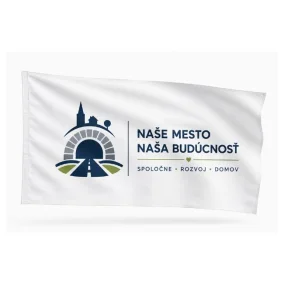
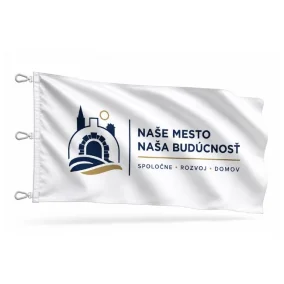
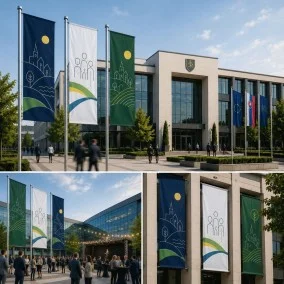
Custom Municipal and City Flags: A Representative Symbol That Must Withstand Everyday Use
A municipal or city flag is part of the visual identity of the local government and is used during official occasions, celebrations, and representation outside the municipality or city. At first glance, it may seem like a simple textile product, but its production requires precise dimensions, quality craftsmanship, and faithful representation of approved symbols.
What is a Municipal or City Flag
A flag is a representative element derived from the official symbols of local government and is intended for display on flagpoles, masts, or indoors during ceremonial events. It must adhere to approved color schemes, proportions, and graphic elements that are part of its official appearance.
Unlike ordinary promotional banners or advertising textiles, municipal and city flags emphasize meticulous detail and long-term representative value.
Where Flags Are Most Often Used
They are most commonly seen on the buildings of municipal and city offices, during national holidays, memorial events, cultural activities, or partner visits. They are also used during the opening of new public spaces, regional festivals, or international presentations of local government.
In practice, it is advisable to have multiple versions prepared for different purposes. Outdoor flags are exposed to weather conditions, while representative indoor versions often use different materials and finishing methods.
Material and Production Affect Longevity More Than Design Itself
For outdoor use, polyester flag fabrics with good air permeability and high UV resistance are primarily used. The common weight ranges from approximately 110 to 160 g/m², depending on the specific type of material and intended use.
Equally important are the printing technology, sewing quality, and reinforcement of stressed areas. Damage during attachment or frayed edges are among the most common reasons for premature replacement.
- Colorfast printing suitable for long-term use,
- Resistance to sunlight and weather conditions,
- Strong edging and reinforced seams,
- Customization of the attachment system to the specific pole or mast,
- Production in various size options according to the intended use.
Choosing Dimensions and Attachment Methods Should Not Be Underestimated
The dimensions of the flag should correspond to the height of the pole and the location where it will be placed. An overly small format may appear insignificant in open spaces, while an excessively large flag creates higher stress in strong winds.
An important part of the order is also the method of attachment. Tunnels for masts, carabiners, straps, or metal grommets are selected based on the specific usage system, and their additional modification is often more complex than proper adjustment during production.
What Cities and Municipalities Address with Repeat Orders
For long-term use, the ability to produce new pieces with the same color and identical proportions is important. Differences between individual series are immediately visible when displayed together and can appear inconsistent.
From the perspective of local governments, the archiving of production materials, consistency in printing technology, and the ability to provide various dimensions while maintaining the same visual result play a significant role.
Why Quality Craftsmanship is Economically Worthwhile
The lowest acquisition cost does not necessarily mean the lowest expenses throughout the flag's lifespan. Materials with lower durability may fade faster or become mechanically damaged, leading to more frequent replacements.
A well-made flag retains its representative appearance longer, better withstands external conditions, and reliably fulfills its function during both official and everyday occasions.